
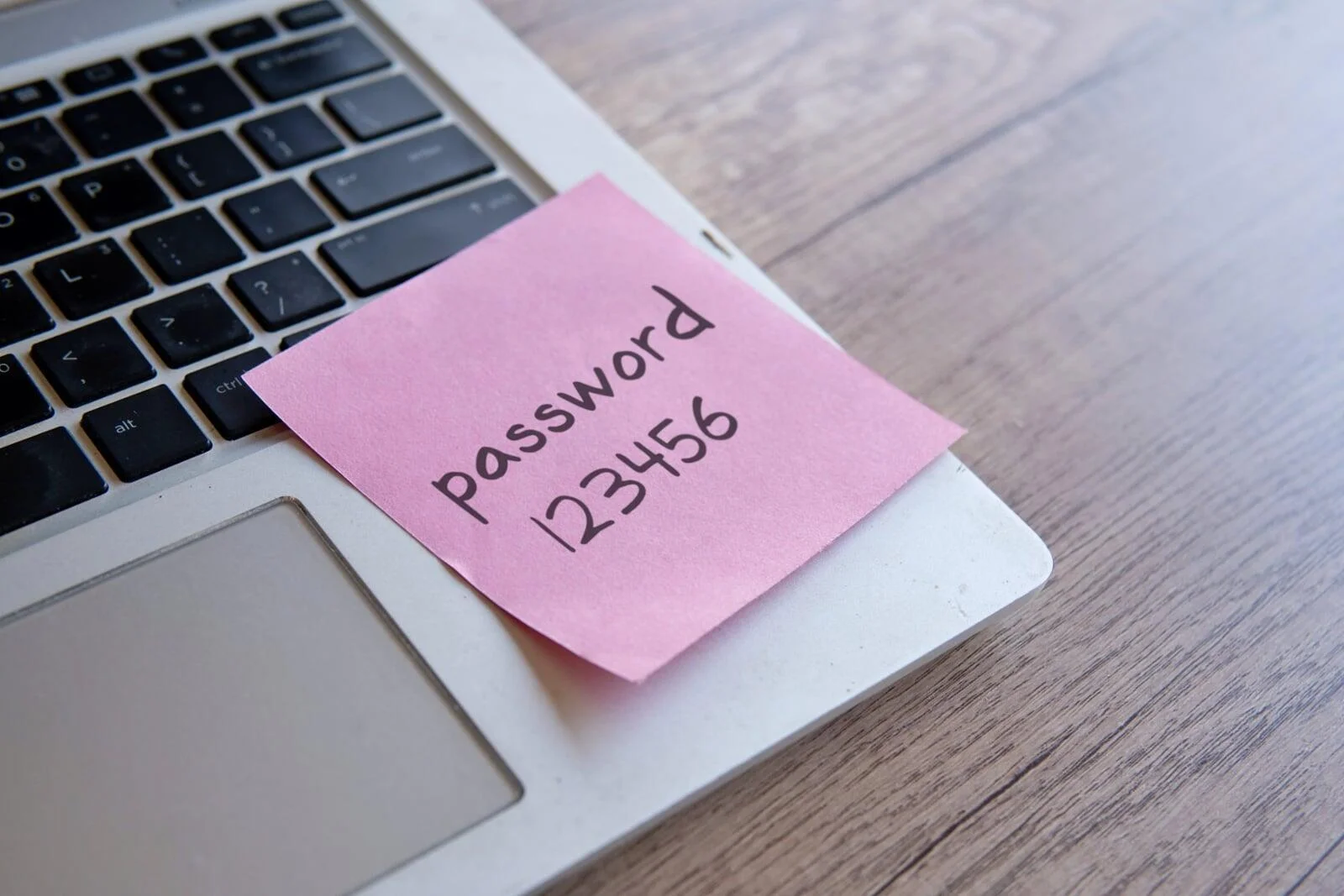
As cyber threats grow more sophisticated, attackers are relying on methods that exploit human behavior and weak credentials. One such method is password spraying, a stealthy and highly effective attack that targets multiple accounts using common passwords.
At Cascade IT Services, located in Bend, Central Oregon, we help businesses recognize and defend against evolving threats like password spraying. This guide will explain how this attack works, how it differs from traditional brute-force attacks, and the security strategies organizations can adopt to prevent it.
Password spraying is a type of brute-force cyberattack where an attacker attempts to gain access to multiple accounts using a single password or a small list of commonly used passwords. Unlike traditional brute-force attacks that target one account with many password attempts, often triggering lockouts, password spraying spreads the attempts across many accounts, minimizing detection.
This technique is frequently automated and highly scalable, making it a favorite tactic among cybercriminals, including nation-state threat actors, looking for a low-effort way to compromise systems.
For more information on how we help protect businesses from threats like this, visit our Managed IT Services.

Understanding the distinction between password spraying and other brute-force methods is key to developing effective defenses.
These involve trying many passwords on a single account until one works. Brute-force methods often trigger lockouts or alarms because of repeated failed login attempts.
This technique uses stolen username/password combinations from previous breaches and tests them on different platforms. It’s less about guessing and more about reusing known credentials.
In contrast, password spraying uses one password across many accounts, allowing attackers to bypass lockout mechanisms and stay under the radar.
The distributed nature of the attack makes it difficult to detect using traditional monitoring tools unless specific detection patterns are in place.
If you’re unsure which attack vectors your business is most vulnerable to, our Cybersecurity Services can help assess and secure your IT environment.
Detecting password spraying requires a combination of proactive monitoring, user awareness, and strong authentication practices. Below are key strategies businesses in Central Oregon and beyond should consider.
Encourage (or enforce) password creation rules that include:
Using secure password managers helps users generate strong, unique passwords. Learn more about risk prevention in our Disaster Recovery & Backup Solutions guide.
MFA drastically reduces the effectiveness of password spraying. Even if a password is guessed correctly, the attacker still needs to bypass a second layer of authentication such as a time-based code, hardware token, or biometric verification.
We help Oregon businesses implement secure MFA and improve identity protection as part of our Microsoft 365 Support services.
Track login activity across your network for unusual patterns, such as:
Using SIEM tools and centralized monitoring, available in our Co-Managed IT offerings, can help detect anomalies early.
Frequent security assessments can help identify weak spots in your password management systems. These should include a review of login activity, password complexity, and user access levels.
To schedule a security assessment, Contact us today.
Set up alert thresholds for failed logins across multiple accounts. Block or flag IP addresses associated with suspicious activity. Adjust lockout policies to balance security and usability.
Hold regular training sessions to teach employees about:
A well-informed workforce is often the first and strongest line of defense.
For ongoing training insights, check out our Blog or subscribe to our Newsletter.
Have a documented and tested incident response plan that includes:
Being prepared reduces the damage caused by a successful attack and speeds up recovery.

Password spraying continues to be one of the most effective and underreported cyberattack methods. It targets predictable user behavior and relies on a lack of proactive defense mechanisms.
At Cascade IT Services, we support businesses across Bend, Redmond, Sister, Sunriver, and the rest of Central Oregon with:
If you’re looking to improve your organization’s defense against password spraying and other cyber threats, contact us today. Our team is ready to help you protect your digital environment and ensure your sensitive data remains secure.
Disclaimer: This blog post is for informational purposes only and does not constitute legal, financial, or IT advice. For professional guidance tailored to your business, consult with Cascade IT Services or a certified Microsoft partner.
Article used with permission from The Technology Press.