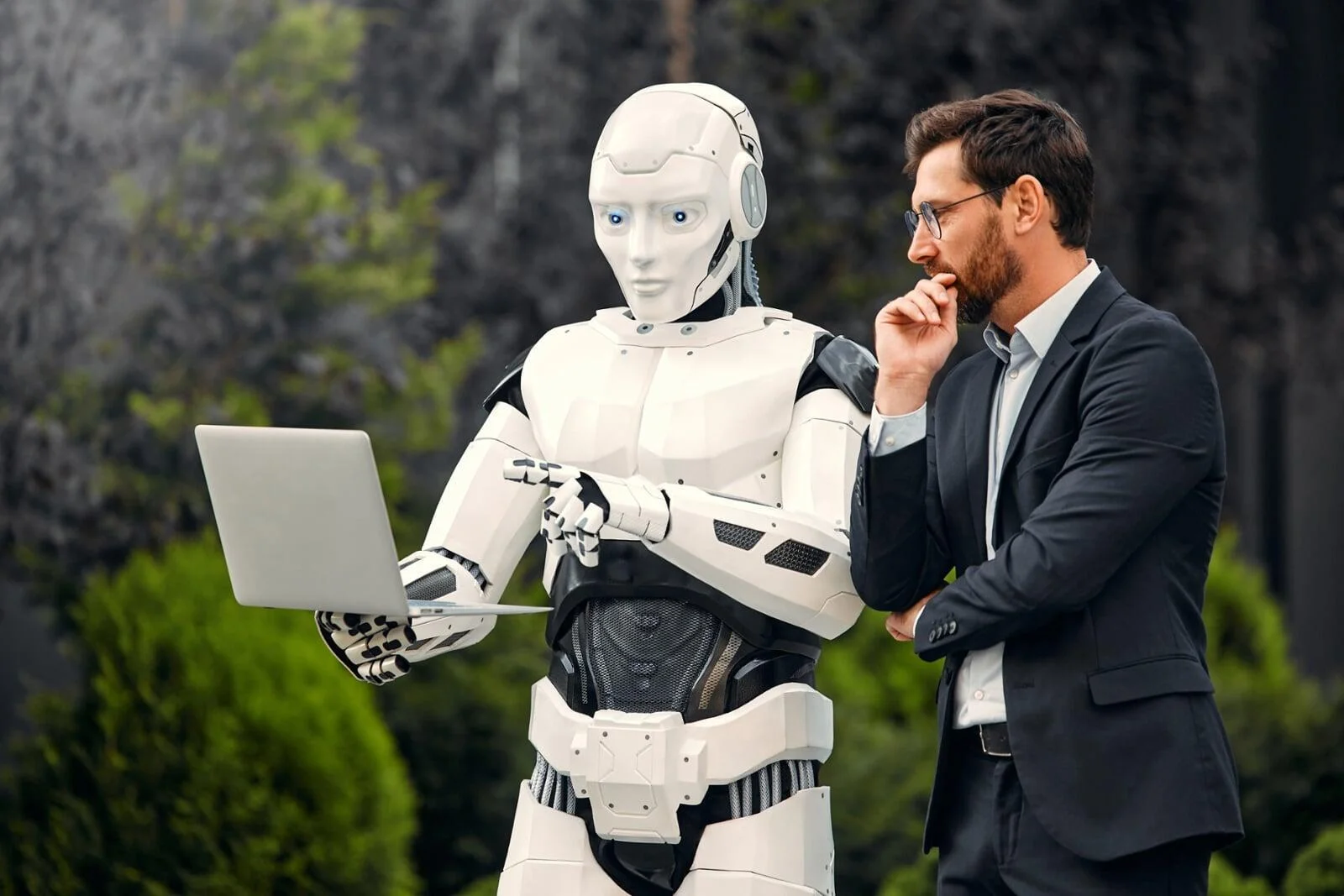
Artificial Intelligence (AI) is transforming the way businesses operate at an unprecedented pace. While these tools can streamline tasks and improve efficiency, understanding AI in the workplace challenges is essential for any organization looking to stay competitive. In this article, we will explore how AI affects the modern office, its potential drawbacks, and best practices for using it safely and effectively.
AI, or Artificial Intelligence, refers to computer systems that can perform tasks traditionally requiring human intelligence. These systems can write, analyze data, and even generate creative content. Many businesses are leveraging AI to automate processes, improve decision-making, and enhance productivity.
However, AI is not perfect. It can produce errors, introduce biases, and raise security concerns. Businesses must approach AI adoption in business strategically to maximize benefits while minimizing potential risks.
Learn how Cascade IT Services can guide your business through AI adoption safely and efficiently here.
AI models rely on vast amounts of data, but they can still provide inaccurate or outdated information. This can lead to significant issues in decision-making, reporting, and customer communications.
AI-generated content can sometimes include strange or illogical outputs. Whether in writing, image creation, or data analysis, these mistakes can cause confusion and inefficiency in the workplace.
Yes, AI can inherit biases from the data it is trained on. If AI systems are fed biased data, they may produce unfair or discriminatory outcomes. This is a major concern in hiring, lending, law enforcement, and other areas where impartiality is essential.
Businesses must regularly evaluate AI models to ensure they promote fairness and avoid unintended bias in decision-making.

One of the biggest concerns surrounding AI is job loss. As AI becomes more advanced, it can automate certain roles, reducing the need for human workers in specific industries. This can lead to workforce reductions, particularly in repetitive and data-driven tasks.
While AI may replace some jobs, AI also creates opportunities for employees to learn new competencies, such as AI management, data analysis, and cybersecurity. Companies that invest in training, through co-managed IT support or help desk services, can prepare their workforce for AI-driven changes.
No, AI is not foolproof. It can malfunction, produce errors, or even shut down entirely. Businesses that rely too heavily on AI without human oversight may face operational disruptions when AI systems fail.
AI can change the way teams collaborate. While it automates certain tasks, it may also reduce human interaction. Some employees may rely on AI for individual work rather than collaborating with colleagues, potentially decreasing teamwork and creativity.
AI depends on large amounts of data, raising privacy and security concerns. Employees and customers may worry about AI accessing personal information or tracking workplace behavior. Businesses must implement strong data protection policies to ensure AI is used responsibly and ethically.
AI introduces legal challenges, particularly regarding intellectual property and accountability. Companies must determine ownership of AI-generated work and ensure compliance with data privacy regulations. Businesses should stay informed about AI-related laws to avoid legal complications.
To integrate AI effectively and responsibly, businesses should:

AI is a powerful tool, but it requires careful implementation. At Cascade IT Services, we help businesses in Bend, Redmond, Sisters, Portland, and across Central Oregon adopt AI responsibly, focusing on security, efficiency, and compliance. Our services range from managed AI to cloud services and IT support for small businesses.
If you’re considering AI adoption or want to ensure your workplace uses AI responsibly, contact Cascade IT Services today for expert guidance. Stay informed by subscribing to our newsletter for the latest insights on AI and IT trends.
Disclaimer: This blog post is for informational purposes only and does not constitute legal, financial, or IT advice. For professional guidance tailored to your business, consult with Cascade IT Services or a certified Microsoft partner.
Article used with permission from The Technology Press.