
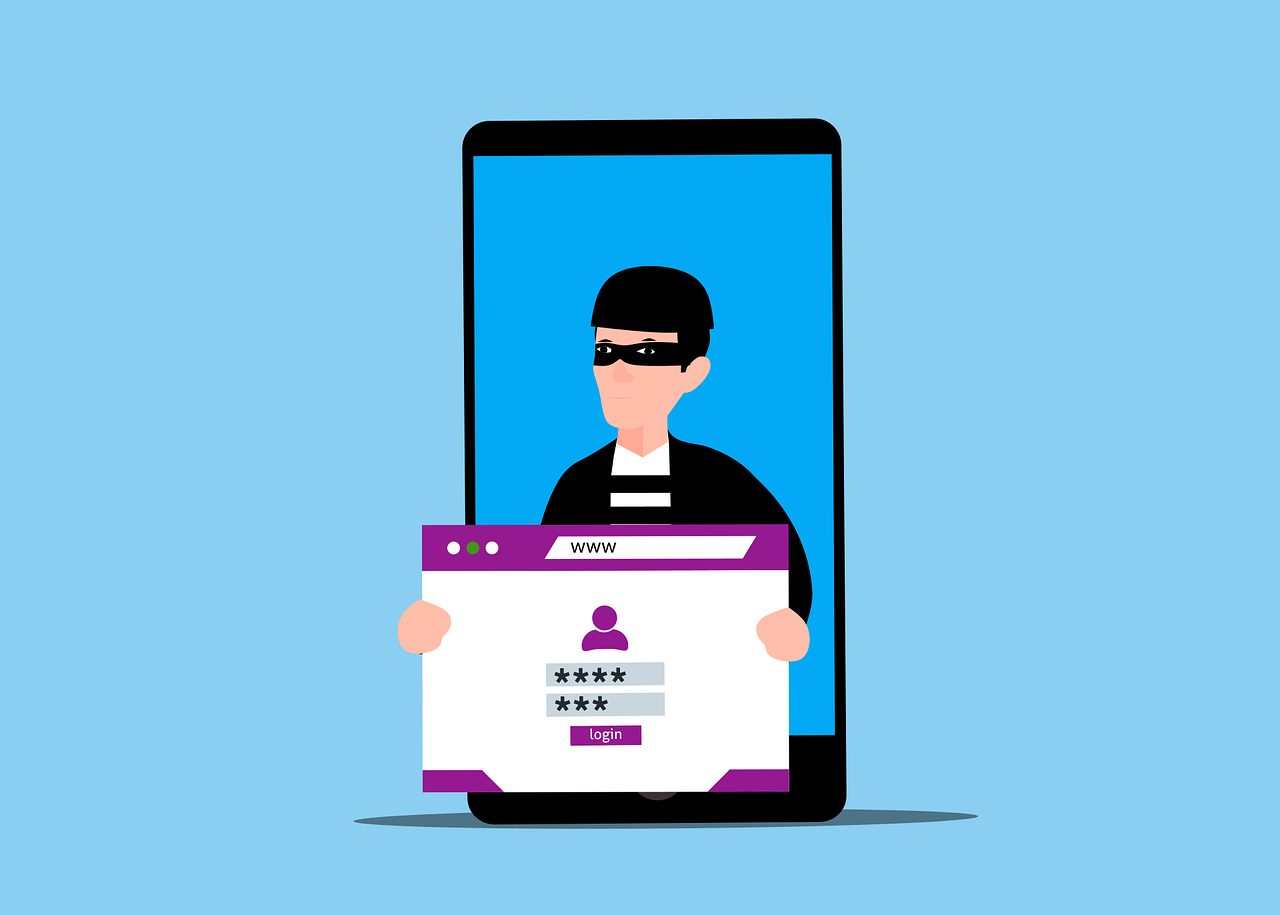
During an era of digital transformation, data and security are king. As cyber threats evolve, businesses must prioritize credential scam prevention to stay prepared against increasingly sophisticated attacks. Credential scams have become some of the most damaging cyber threats facing businesses today. Whether through well-crafted phishing scams or an all-out direct attack, cybercriminals are continually honing their skills and adapting their tactics to gain access to system credentials. They seek to compromise the very fabric of the corporate digital landscape and access sensitive corporate resources.
The stakes are incredibly high. According to Verizon’s 2025 Data Breach Investigations Report, over 70% of breaches involve stolen credentials. The implications for businesses of every size are crippling financial loss and reputational damage. The days of relying solely on passwords to secure systems and devices are long gone. With the new age of cyber threats lingering just beyond the gates, organizations have to take advanced measures to properly secure the authentication infrastructure. Only by doing this can they hope to mitigate the risk of credential-based attacks.
Cascade IT Services helps businesses strengthen their business identity protection with tailored cybersecurity solutions and ongoing monitoring. Only by doing this can they hope to mitigate the risk of credential-based attacks.
Credential scam is not a single act, but rather a symphony that builds from the first note and rises in intensity and intent over the course of weeks or months. It typically begins with cyber attackers gaining access to usernames and passwords using a variety of methods:
For businesses, implementing cyber threat mitigation techniques early can drastically reduce the impact of these attacks.

Organizations have historically depended on username and password combinations to provide their primary means of authentication. This is not adequate any longer. There are several reasons why organizations need to up the ante on their authentication processes:
Cascade IT Services offers cybersecurity services designed to address these vulnerabilities with proactive monitoring, advanced authentication tools, and real-time alerts.
To effectively combat credential scam, organizations should adopt a multi-layered approach that includes both preventive and detective controls. Below are several advanced methods for securing business logins:
This is one of the simplest yet most effective methods to prevent credential scam. It requires users to provide two verification points. This typically includes a password, coupled with an additional piece of information sent to a secure device or email account that needs to be entered. It could also require a biometric measure for authentication, usually a fingerprint scan.
There are hardware-based authentication methods as well, including YubiKeys or app-based tokens like those required by Google Authenticator or Duo. These are highly resistant to phishing attempts and recommended for high-value accounts.
In a move to further secure systems, some of the emerging frameworks have completely abandoned the username and password authentication method entirely. Instead, they employ the following:
This approach supports stronger business identity protection and reduces human error risks. Learn more about these technologies in our Microsoft 365 Support Services.
Many modern authentication systems employ artificial intelligence-driven methods to detect unusual behavior surrounding authentication attempts.
These anomaly detection systems look for:
Organizations that provide continuous monitoring of login patterns can proactively prevent damage before it occurs.
This architecture adopts the simple principle of “never trust, always verify.” This basis is the opposite of most traditional methodologies. Instead of trusting users inside the network, Zero Trust authenticates and authorizes on a continuous basis. Every request made by a given user is determined by contextual signals such as device location and identity.
Integrating Zero Trust into your cybersecurity plan ensures maximum protection and limits potential breach exposure.
While digital methods to secure digital landscapes are vital, they can all be undone by simple human intervention. In fact, human error is the leading cause of data breaches. To curb this trend, organizations should train personnel to be diligent in their system use.
They should be aware of:
Cascade IT Services provides ongoing security awareness training as part of our co-managed IT solutions, helping your team become the first line of defense against cyberattacks.

Attackers are becoming increasingly sophisticated in their methods. Today, credential scam isn’t a matter of if, it’s a matter of when.
Organizations can no longer rely on outdated defenses. Stronger protection is essential. By implementing multi-factor authentication, Zero Trust policies, and AI-powered anomaly detection systems, businesses can stay ahead of evolving threats.
Cascade IT Services empowers businesses with end-to-end credential scam prevention strategies that strengthen defenses and protect digital identities. Learn how we can help secure your network. Contact Cascade IT Services today for expert guidance and a customized protection plan.
Disclaimer: This blog post is for informational purposes only and does not constitute legal, financial, or IT advice. For professional guidance tailored to your business, consult with Cascade IT Services or a certified Microsoft partner.
Article used with permission from The Technology Press.